1,Jojakuko-ji
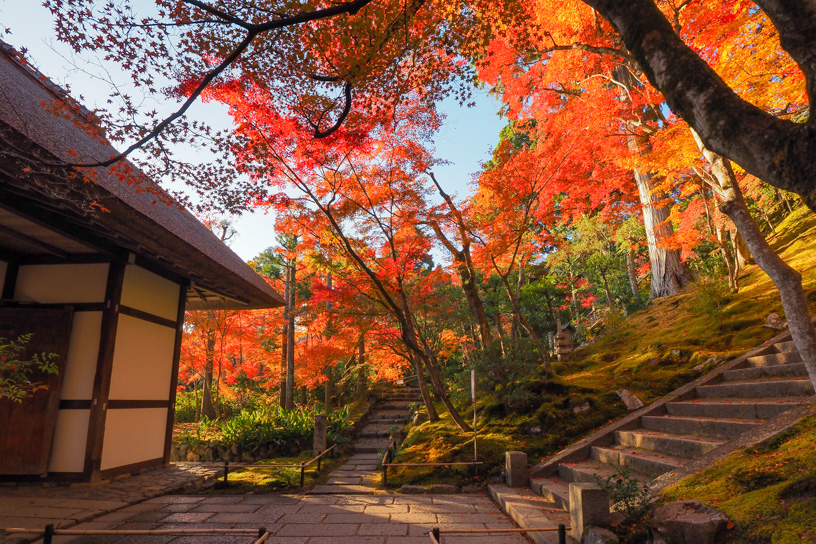
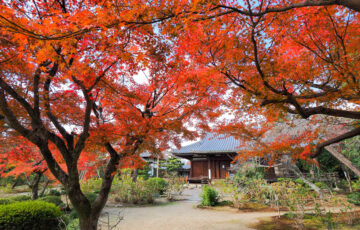
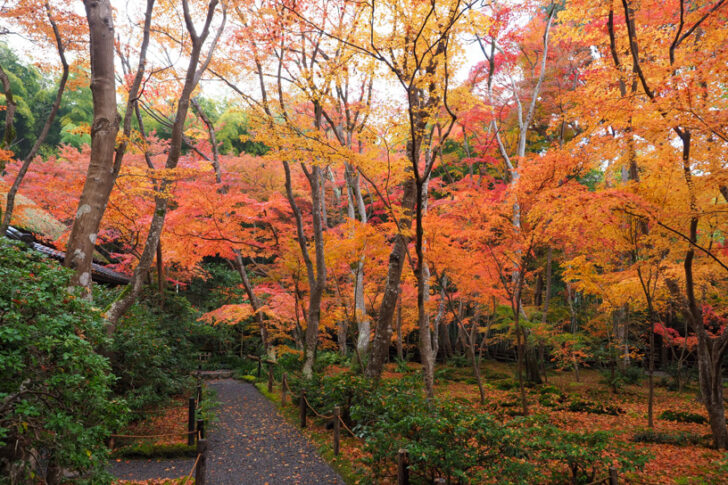
The best time to visit is from mid to late November.
35 minutes on foot from Arashiyama Station on the Hankyu Railway
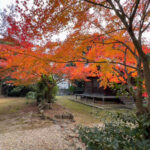
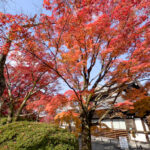
Jojakkoji Temple is a Nichiren Shu temple located in Saga Ogurayama Ogura-cho, Ukyo-ku, Kyoto. The name of the temple is Mt.
The main deity is the Great Mandala of the Ten Realms. The former head temple was Honkokuji Temple.
The temple is located on the slope of Mt. Ogura, which is famous for the Hyakunin Isshu poem, and the precincts of the temple overlook the Sagano area.
2,Tenryu Temple
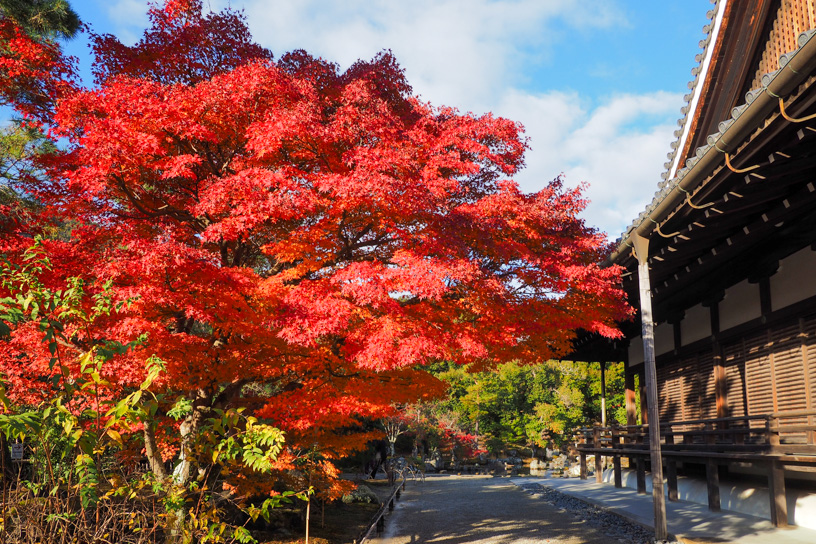
Best time to visit is mid-November to early December.
Hankyu Railway
15 minutes walk from “Arashiyama” station
Tenryuji Temple is the main temple of the Tenryuji School of Rinzai Zen Buddhism, located in Tenryuji Saga, Ukyo-ku, Kyoto. The name of the temple is Reikizan.
The principal image of the temple is the three images of Shakyamuni Buddha. The official name of the temple is Tenryu Shisei-zenji Temple.
The temple was founded by Ashikaga Takauji and Soseki Muso. The temple has been considered the first of the five temples of Kyoto as a Zen temple associated with the Ashikaga shogunate and the Emperor Godaigo.
It is registered as a UNESCO World Heritage Site as a “Cultural Property of Ancient Kyoto.
3,Hougonin
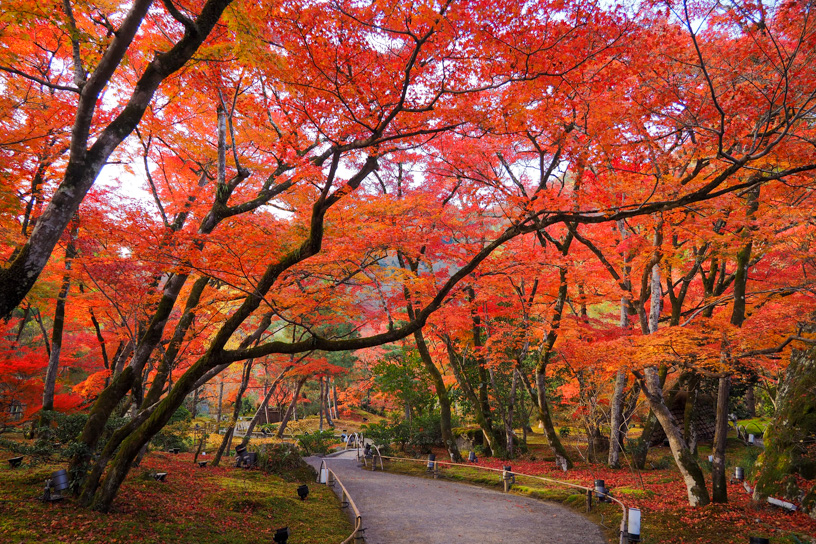
Late November to early December is the best time to visit.
10 minutes walk from Hankyu “Arashiyama” station
Hogonin is a temple of the Tenryuji school of the Rinzai sect, located in Tenryuji Saga Tenryuji Kukanobaba-cho, Ukyo-ku, Kyoto City.
It is the pagoda of Tenryuji Temple, the head temple of the Daihonzan sect.
The name of the temple is Daikokuzan. The main deity is the eleven-faced Kannon.
The garden and buildings are used for filming period dramas.
The term “ao-momiji” (blue maple) was popularized from the early summer “momiji” at this temple.
4,Seiryo-ji Temple [Saga Shakado]
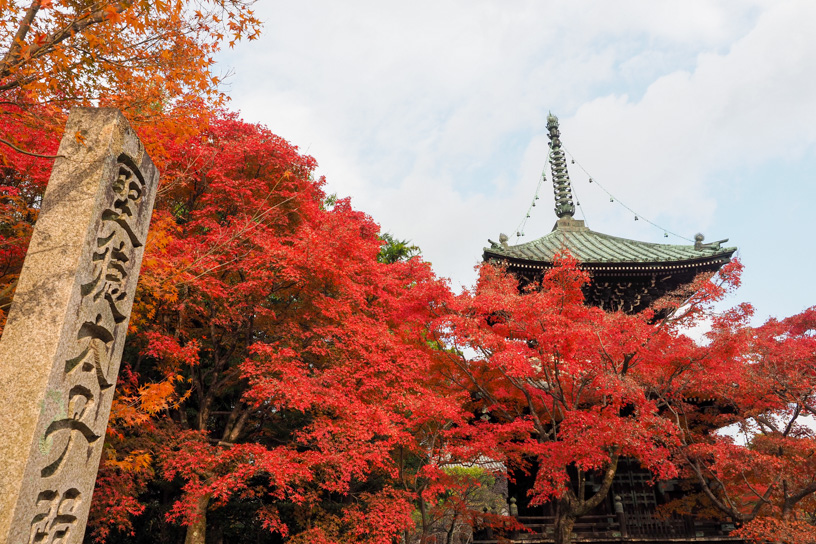
Late November to early December is the best time to visit.
20 minutes walk from Hankyu Arashiyama Station
Seiryoji Temple is located in Kyoto City in the eastern part of Kyoto Prefecture.
The temple is known as a temple associated with the Tale of Genji, as it is said to be the model for the “Saga no Godo” built by Hikaru Genji, the main character in the classic literature “The Tale of Genji” by the female writer Murasaki Shikibu.
It was built around 895. It is said that Chonen Shonin, who returned from China, started the construction of the temple and completed it during the reign of his disciple Josan.
5,Former Saga Gosho Daihonzan Daikakuji Temple
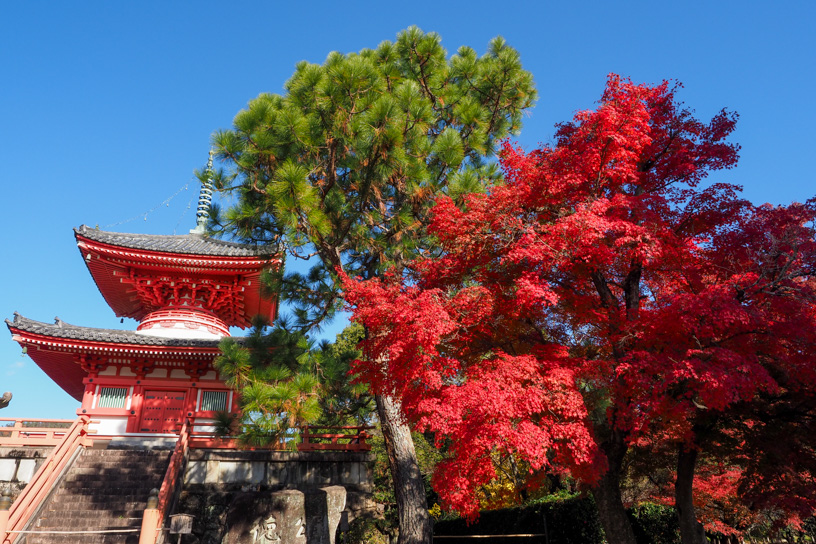
The best time to visit is from mid-November to early December.
20 min. walk from JR Saga-Arashiyama Station
Daikakuji Temple is the main temple of the Daikakuji School of Shingon Buddhism, located in Saga-Osawa-cho, Ukyo-ku, Kyoto. The name of the temple is Mount Saga.
The main deity is Fudo Myoo (the five great Myoo’s). The temple was founded by Prince Tsunejaku Nyudo.
The temple is associated with the imperial family, having been converted from a detached palace of Emperor Saga into a temple.
The temple is also deeply related to the political history of Japan, as Emperor Go-Uda Hōhō conducted his imperial administration here.
6,Nisonin
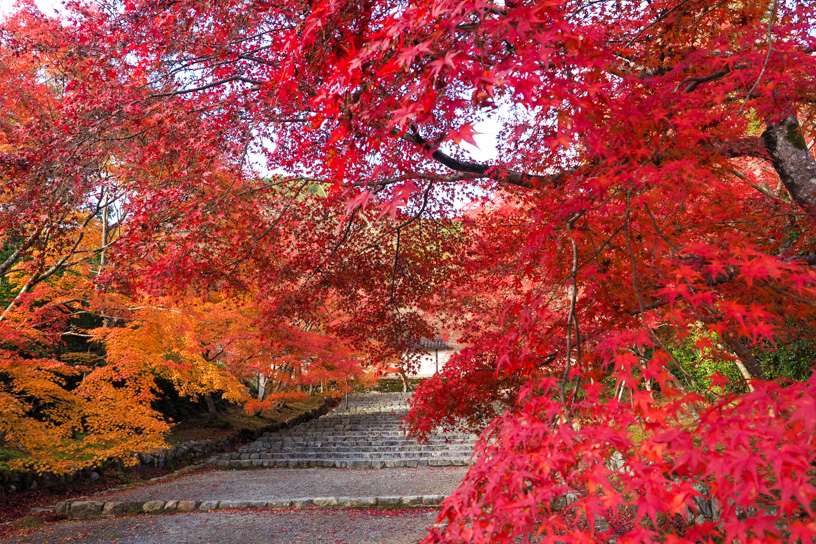
The best time to visit is from mid-November to early December.
15 minutes walk from Arashiyama Station on the Keifuku Arashiyama Main Line
Nison-in Temple is located at the foot of Mt. It is famous for its autumn foliage and has been surrounded by beautiful scenery for over 1,200 years.
As the name suggests, Nison-in Temple is dedicated to the two deities Shakyamuni Buddha and Amida Buddha, and is officially called “Ogurayama Nisonkyoin Kadai-ji Temple.
7,Togetsu Bridge, Arashiyama
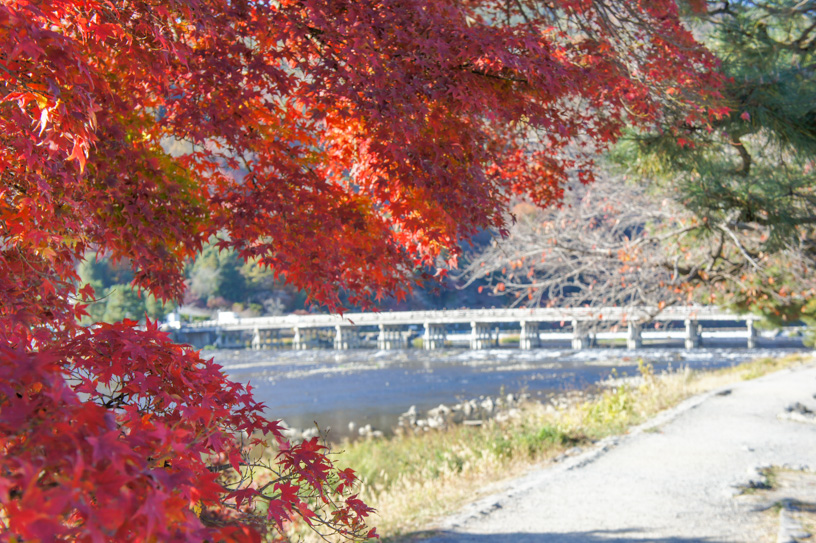
Mid to late November is the best time to visit.
It is a 10-15 minute walk from JR Saga-Arashiyama Station to Togetsu Bridge.
The sight of the Watarigetsukyo Bridge, with its solid and sturdy appearance, crossing the leisurely flowing Ooigawa River is truly magnificent.
Boating and houseboat tours are also available, and the bridge is a popular sightseeing spot for many visitors.
One of the charms of the bridge is that it changes its appearance in spring, summer, fall, and winter, and at different times of the day, allowing visitors to fully enjoy the natural beauty of Kyoto.
8,Rokuouin
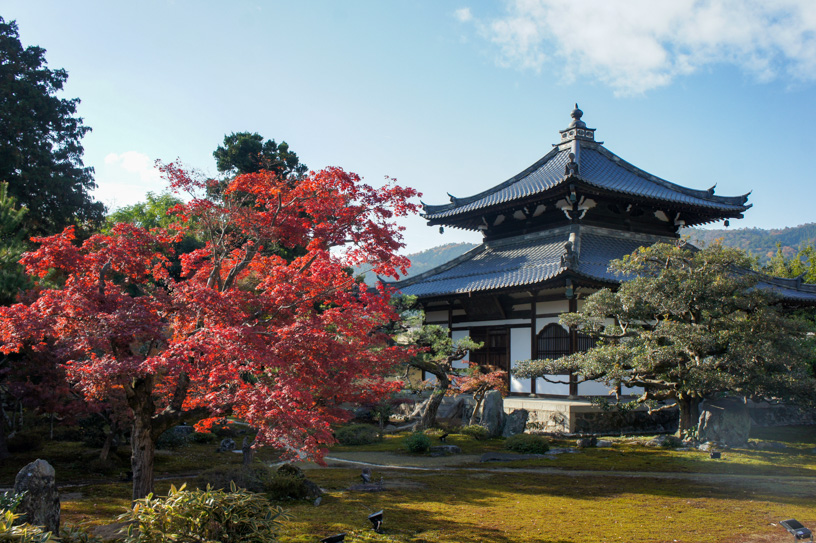
Late November to early December is the best time to visit.
JR Sanin Line (Sagano Line) “Saga-Arashiyama Station”, 6 min. walk
Rokuouin was a sub-temple of Hodan-ji Temple, which was built by Ashikaga Yoshimitsu. Hodan-ji Temple was abolished during the Onin War, and only Rokuouin, which was a sub-temple of the temple’s founder, has remained since then to carry on the temple’s registration.
It is said that only the gate from the Muromachi period still exists, and it is said that Soujun Ikkyu, a.k.a. Ikkyu-san, once passed through this gate to visit the temple when he was a boy.
9,Houkyouin
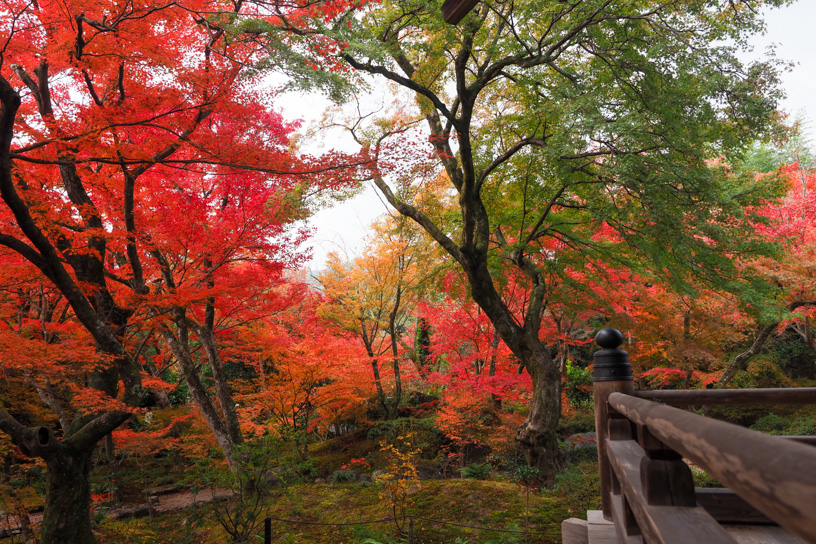
Late November to early December is the best time to visit.
Get off at Saga-Arashiyama Station on the JR Sagano Line and walk 15 minutes.
It is said that the temple was built in the Heian period (794-1185) at the request of Emperor Shirakawa, and was originally called Zenirin-ji Temple.
After the death of Yoshinori, the name was changed to the current name of the temple in honor of his temple name, Hohoinin.
Since then, the temple has flourished under the respect of successive generations of the Ashikaga clan, but with the decline of the Muromachi Shogunate, the temple also declined.
10、Giou-Temple
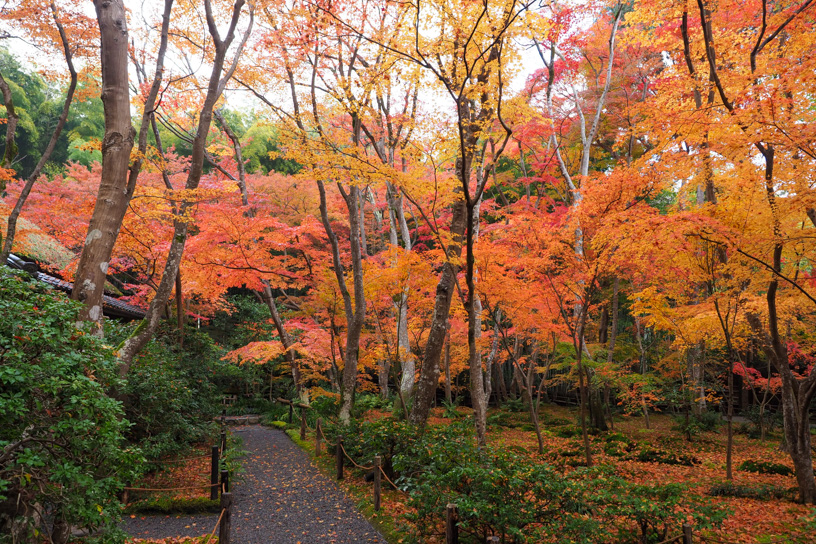
Late November to early December is the best time to visit.
20 min. walk from Saga-Arashiyama Sta. on JR Sagano Line
Giouji Temple is said to be the place where Giou, known from “The Tale of the Heike,” entered the temple after losing the favor of Taira no Kiyomori and leaving the priesthood with his sister Giou and mother Toji.
In the thatched thatched hermitage, the principal image of Dainichi Nyorai and wooden statues of Giou and others are enshrined.
The moss garden with sunlight filtering through the green maples is a perfect setting for the ancient tale.